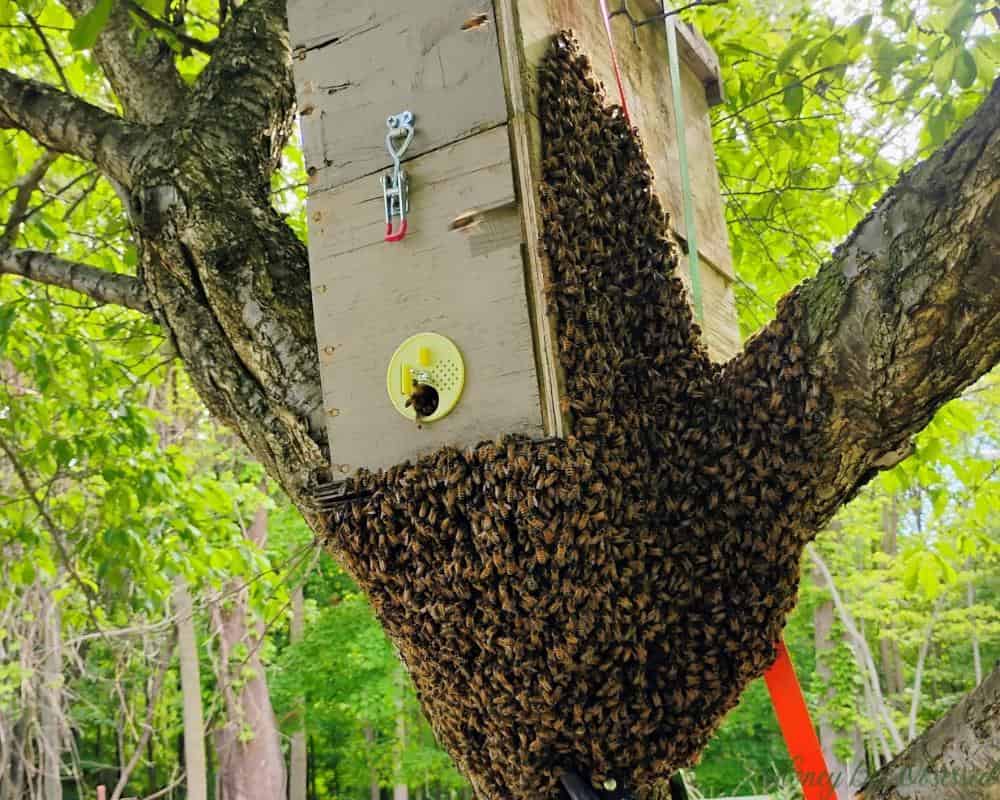
Who wouldn’t love some free bees? Let’s get some swarm traps prepped and ready before the swarm season, but first . . .
When is Swarm Season?
Look for these key signs that the swarm season is about to begin:
- A good nectar flow and plenty of pollen is available. As the trees and spring flowers begin to bloom, the bees will build up quickly. Do you have an apple tree? When your apples are in bloom, that’s typically swarm season.
- You will see population explosions in your own colonies. When you see frames and frames of capped brood, then you know swarming won’t be far behind.
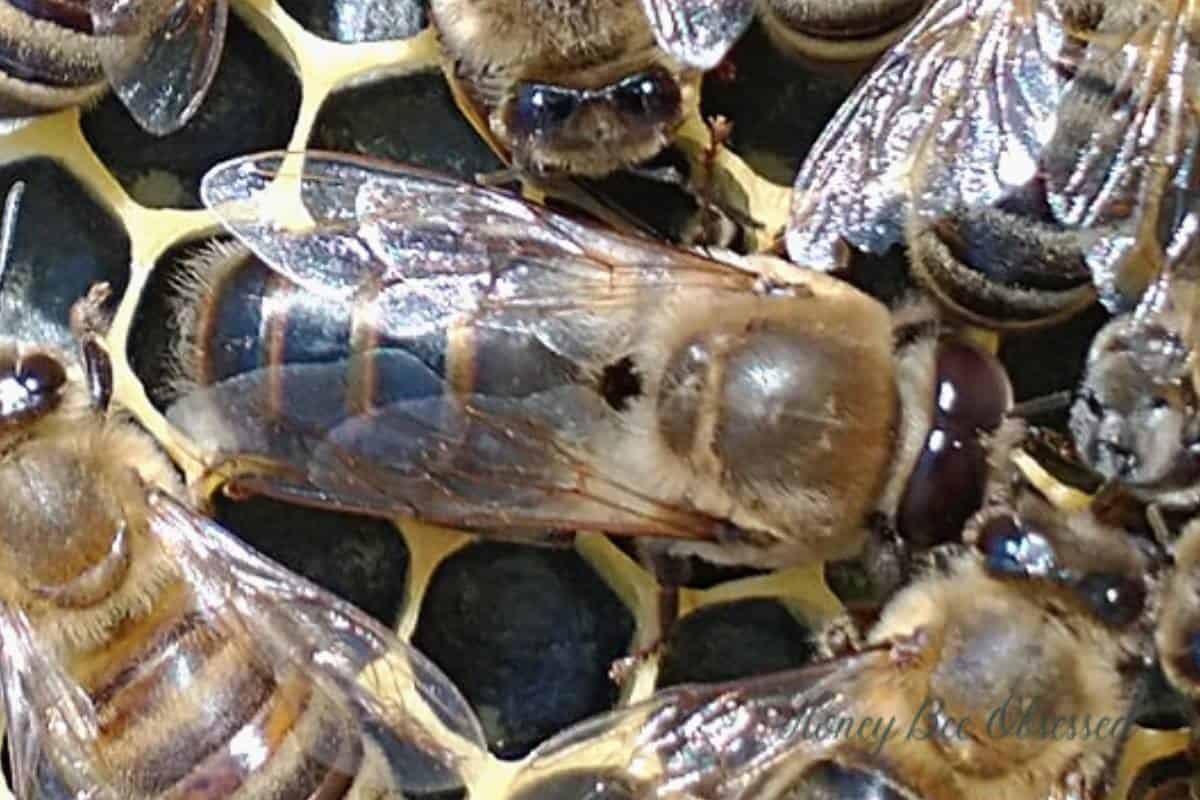
- Drones! So many drones! Most drones are kicked out for the winter to help preserve the colony’s resources. But when you begin to see a lot of drones in your own colonies, then that is a major signal that the hives are preparing for the swarm season!
Prime Swarm
First of all, what is a prime swarm?
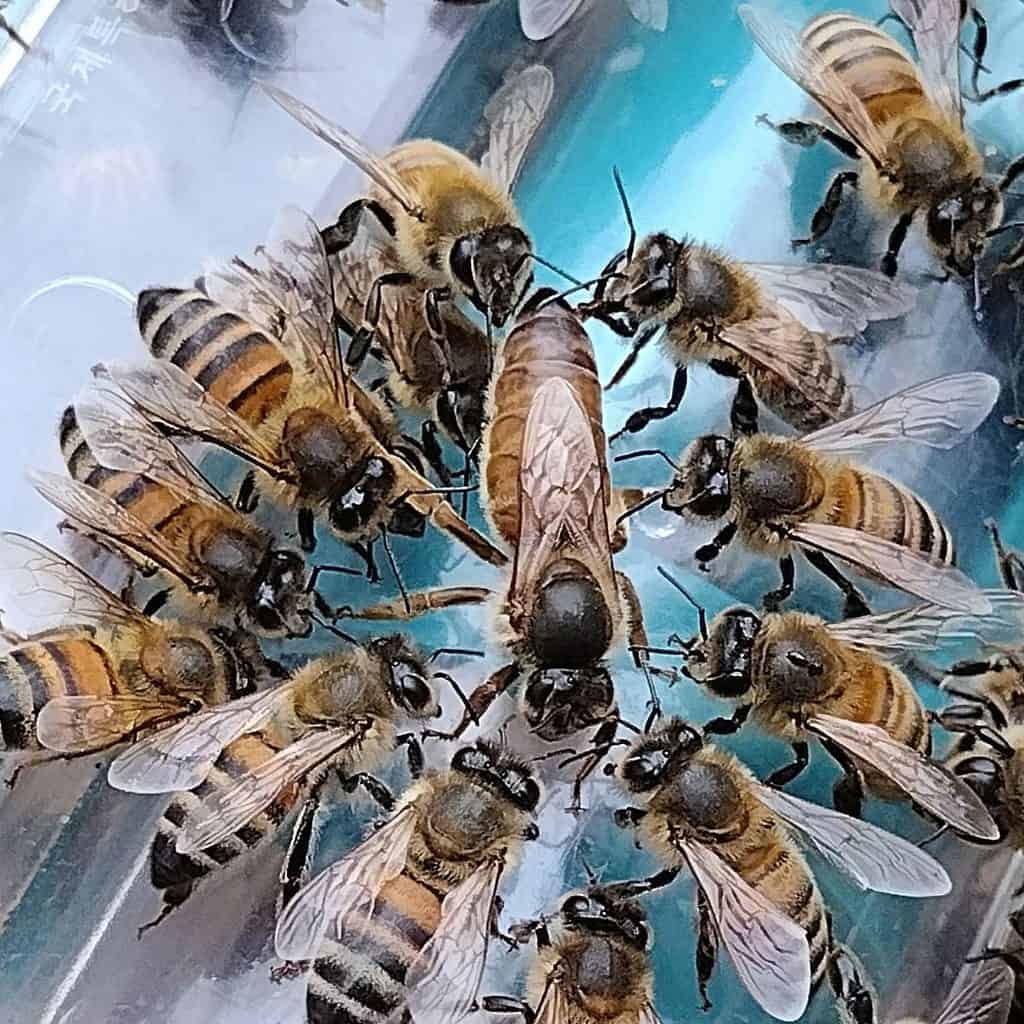
A prime swarm is the first swarm of the season that consists of the overwintered, surviving queen.
The queen made it through winter, she built up her colony, and now they’re running out of space.
The prime swarm is almost certainly the largest swarm of the year.
Bee Swarm Accommodations
So what will the bees like? First, they will need enough space.
Scout bees like to find a spot with a grand hall for assembly. An 8-frame or a 10-frame deep box will be perfect for a swarm.
Bees like to be where bees have been before! Bees want an easy, furnished, ready-to-move-in space.
This means that they do not really like a brand new pine box with that lovely fresh pine smell. I usually torch the inside of any new swarm boxes.
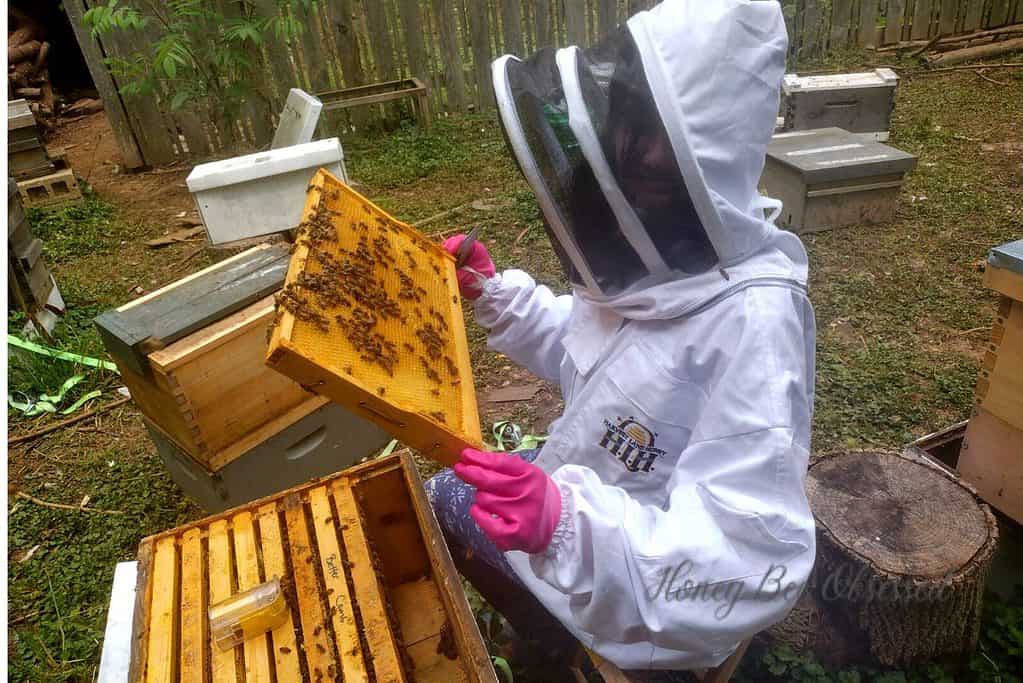
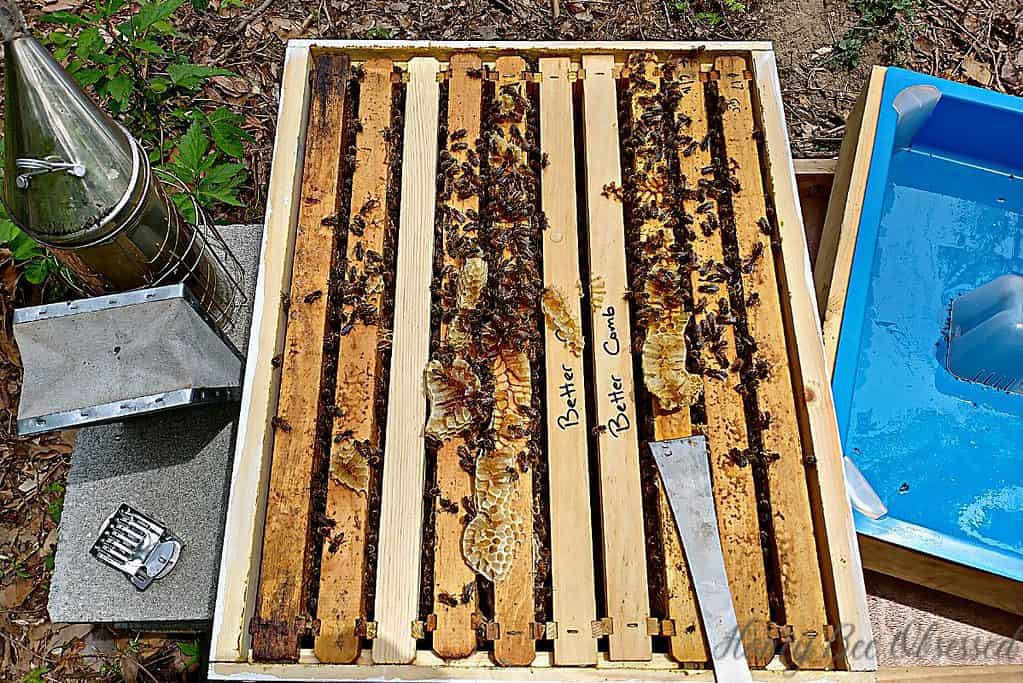
If you have some old, dark brood comb, then add these to your swarm trap. Two or three frames of really old, funky comb are perfect. Bees like to have a lot of extra space to work with when scouting out a new home.
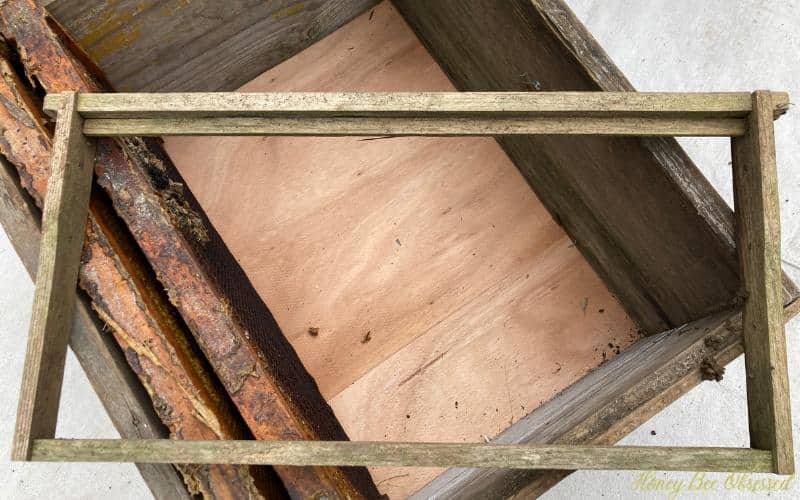
NOTE: If you’re putting your swarm trap somewhere farther away where you will not be checking often, then you will want to add foundationless frames to the box. Otherwise, by the time you find the bees have moved in, they could have added a really wonky flare to their new home.
Do not add any resource frames (frames with honey and/or pollen)! You might think a honey frame may help attract a swarm–but all you’re going to get will be robbers. You’re going to turn this into a robbing station, not a swarm trap. Would you like to move into a neighborhood with a high rate of burglaries??
Find some strategic spots to place your swarm trap.
Utility easements are honey bee superhighways! These can be great locations for swarm traps.
The edge of a tree line is also a perfect spot.
Consider the potential weight of a swarm before placing the swarm trap too high. The bees bring resources with them, and it doesn’t take long for them to add some weight to a box.
We’ve had just as much luck with swarm boxes on the ground as we have 15 feet up on a deer stand.
Attractants
The BEST swarm lure is old, funky brood comb!
But you can use a swarm lure such as Swarm Commander. You can also use lemongrass essential oil to attract bees.
Do not spray your bee attractant around the entrance of the box! It’s better if you spray the side, top, or bottom of the swarm trap. Don’t worry, the bees will find the entrance.
Less is more!!! One spray on the side of the box is plenty! If you spray too much, it’s like someone wearing too much perfume–overwhelming and a deterrent.
Oh Boy, Scouts!
If you start to see some bees flying around your swarm trap, you’re attracting scouts! They’re doing a home inspection to see if your offering is ideal for their family.
Don’t Overthink It!
Swarm traps don’t have to be complicated!
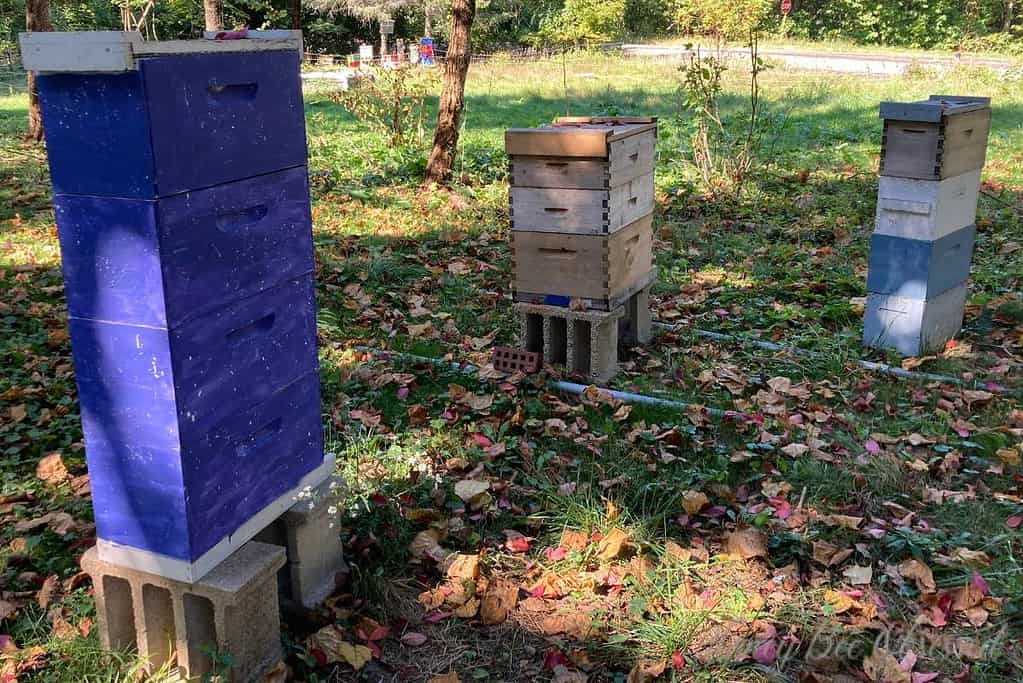
By far our best swarm traps have been stacks of dilapidated bee boxes meant for a burn pile. Remember how bees love where bees have been? Well, this stack of falling-apart bee boxes attracted swarm after swarm when we weren’t even trying!
If you have some old equipment, set it out and see what happens!
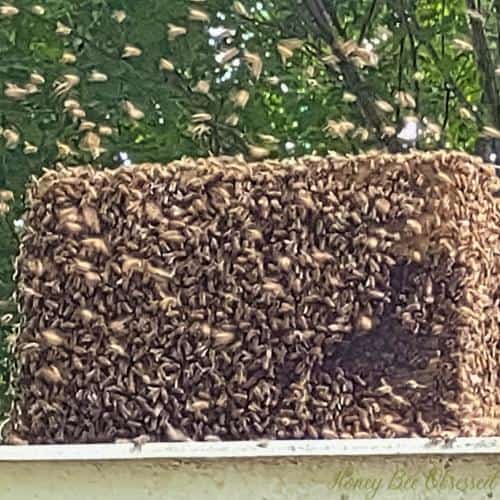
Weather Changes
One thing I’ve noticed is when we’re expecting a major weather change, like a cold front that’s going to bring storms, then bees tend to decide to hurry up and swarm! We often see swarms happening right before a weather change.
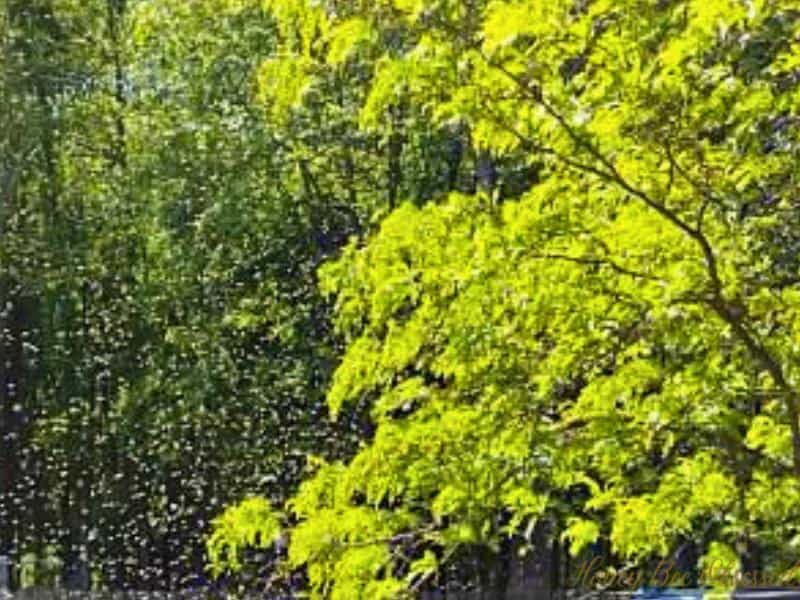
So if you see scouts AND notice a weather change coming, keep a close eye out. If you see a huge cloud of bees and hear a loud buzzing, get excited because you’re about to see a beautiful show!
Now that You’ve Caught a Swarm . . .
What to do with a newly caught swarm?
There’s no right or wrong answer here. Some people will move them on the same night.
My thoughts here: if the box is filled with frames, and the concern of them building wonky comb isn’t there, then I would let them be until they’re hauling pollen consistently. This indicates that the queen is laying eggs, and they’re raising brood. In other words, they’re invested and don’t want to go anywhere.
If I don’t have all the frames in the swarm trap, I may pop the cover and install the rest of the frames. But I won’t do a full inspection. Basically, I don’t want to give them any reason to move out because some jolly green giant is being nosey.
Get in, get out. I like to wait until they’re permanent residents before doing a full inspection.
If you do need to move them to a new location, then remember the rule of 2’s: You can either move them 2 feet or 2 miles. Otherwise, they’re going to be disoriented when they leave the hive to forage.
If you have to move them a shorter distance on your property, then block their entrance with some brush and/or branches. For example, you can staple a couple small pine branches over the entrance. This will force them to fight their way out and re-orient themselves.
Congratulations! Now you have some new free bees to add to your apiary.
Have you heard the old saying?
Swarm in May is worth a bale of hay.
Swarm in June, silver spoon.
Swarm in July, let ‘em fly.
I don’t believe in this nonsense. I’ve captured swarms in September or even October and have helped them build up so they can survive winter. It helps when you have the resources to give them, which comes with being an experienced beekeeper with plenty of supplies.
I personally don’t ever pass up on a swarm of free bees!
Happy fishing!
If you want to venture into answering swarm calls to try to collect a cluster of honeybees from around your community, check out this article to see what items you should have!