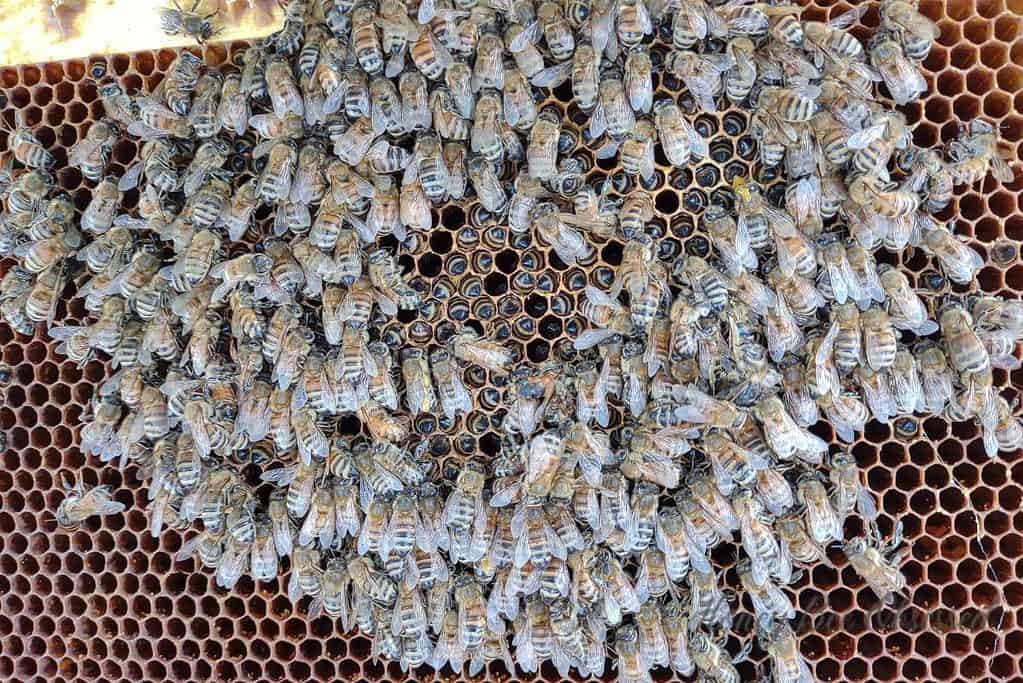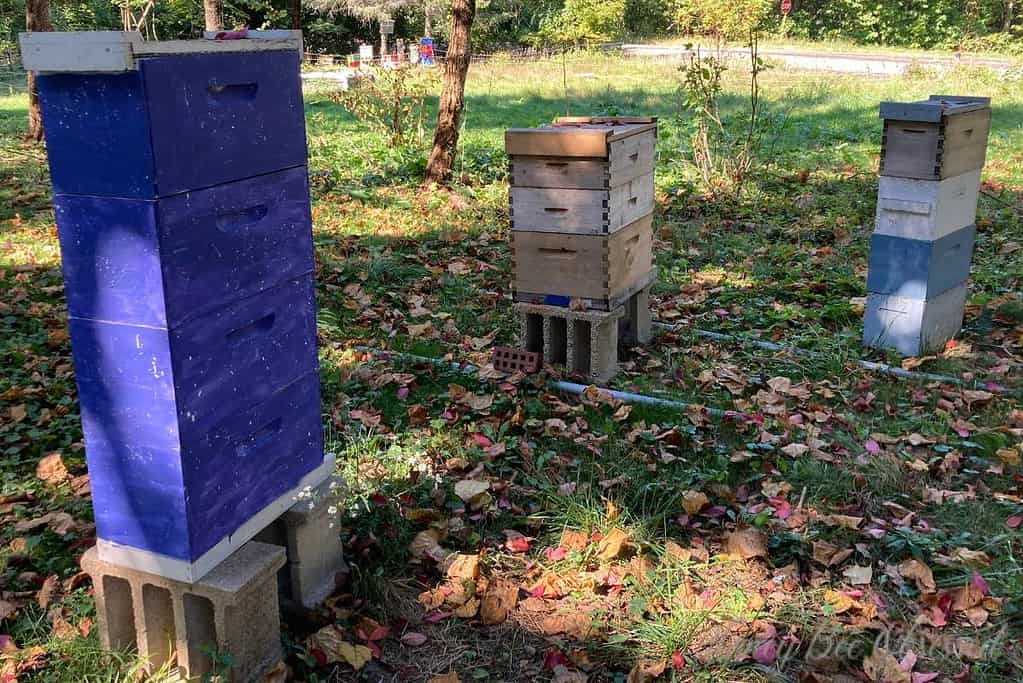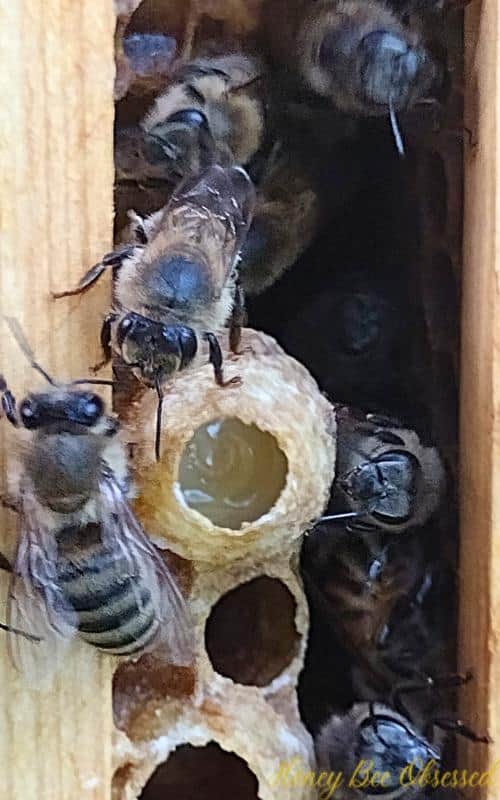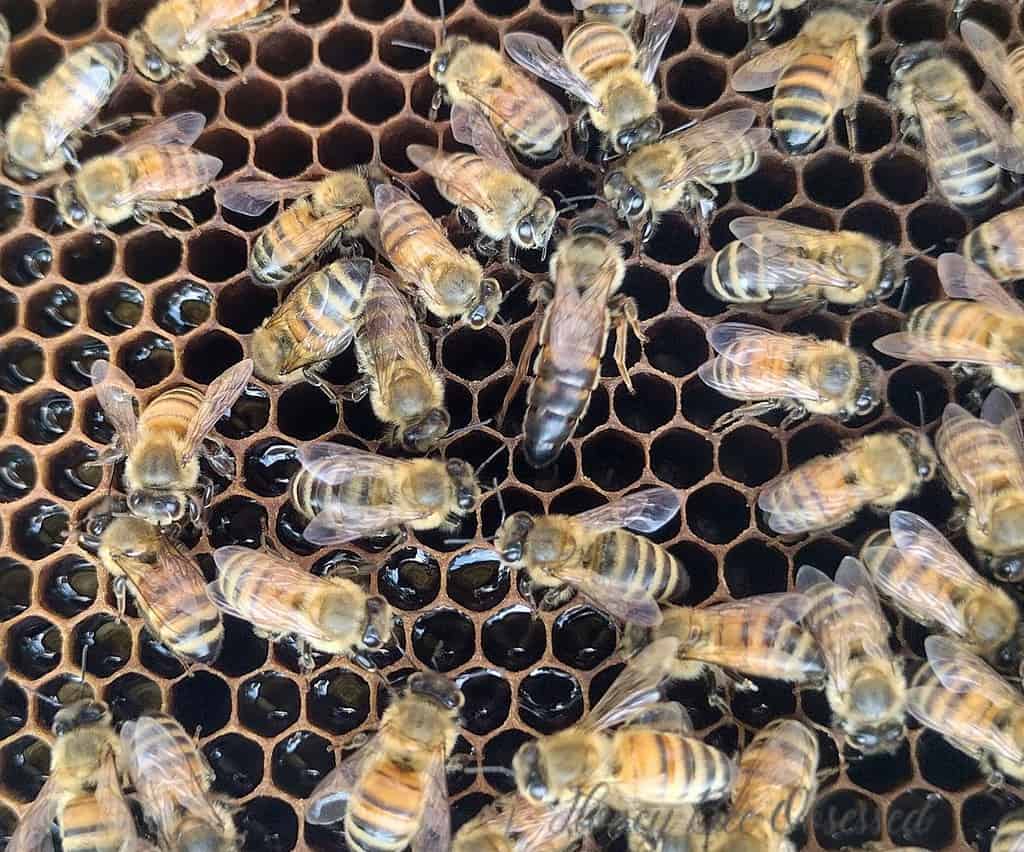
So you’ve decided to be a helpful citizen (or you’re searching for free bees), and you want to go out on honey bee swarm calls. Before you can start answering those calls, you need to be prepared. You’re going to need what I like to call: Bee Rapid Response Kit.
Items needed
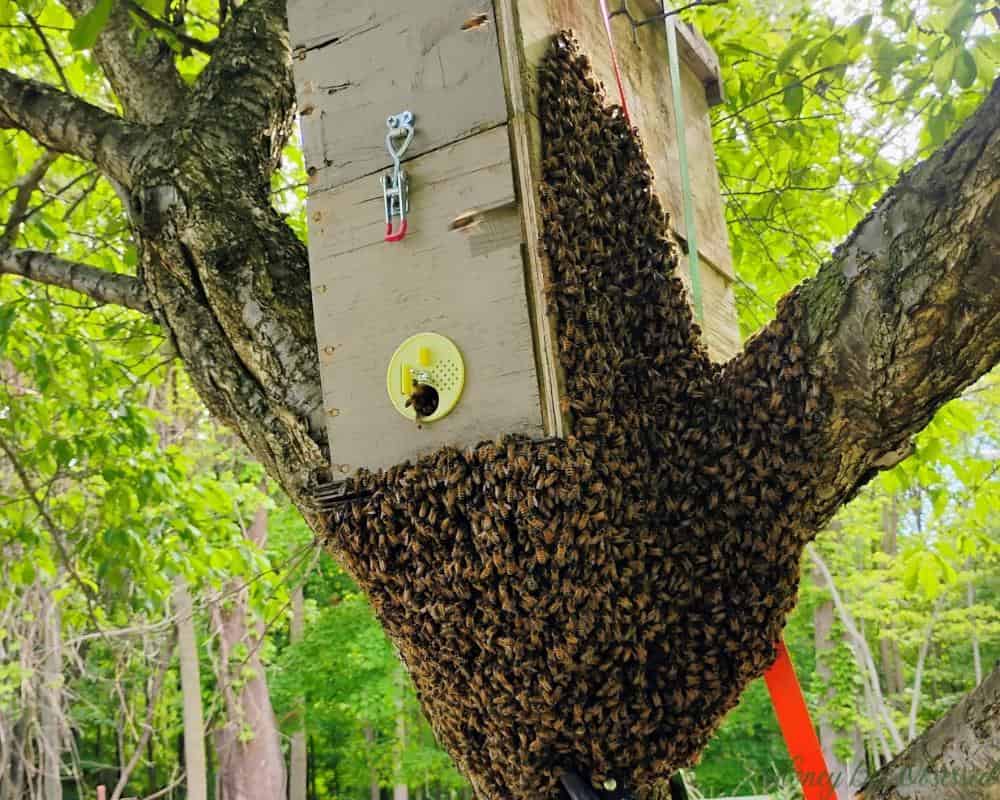
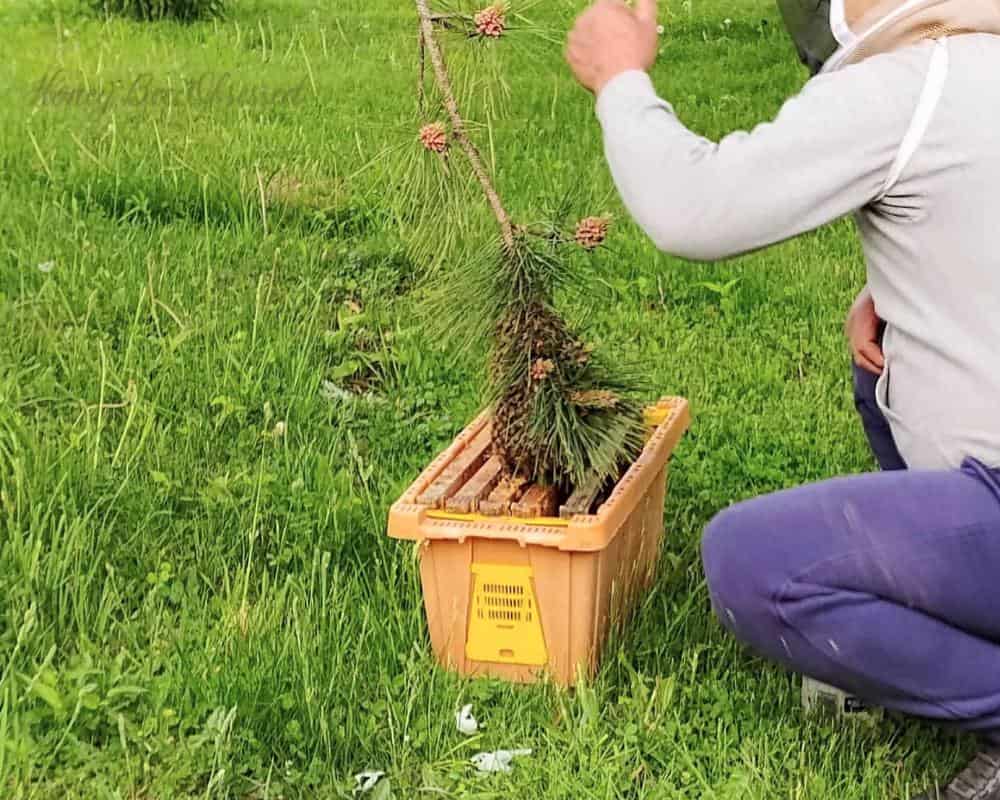
First, you need a box for the bees! (Or a few). You may still have your nuc box that your bees came in–great! That comes in handy, but you will also want a box that’s larger for the big, prime swarms of the season.
I’ve started putting a swarm in a nuc box before only to realize that the cluster was bigger than I thought and needed more space. If they don’t like the box or have enough space, they could decide to leave.
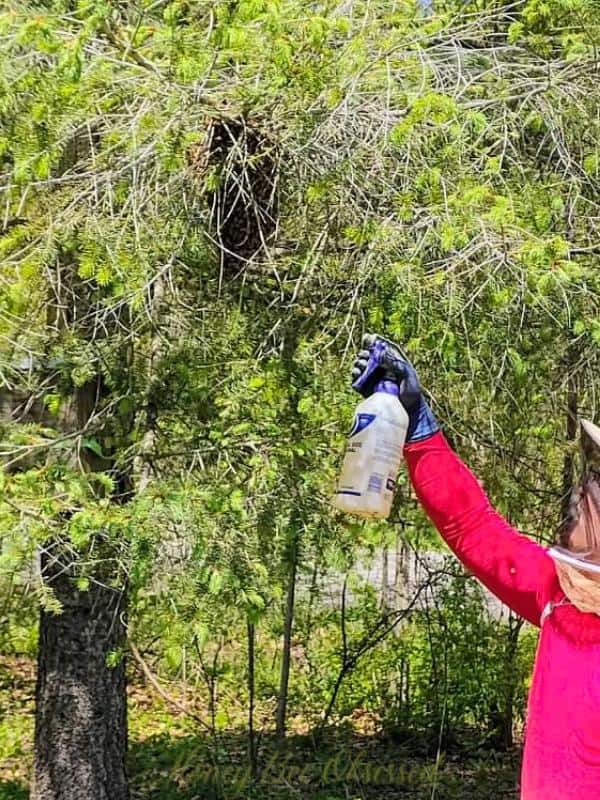
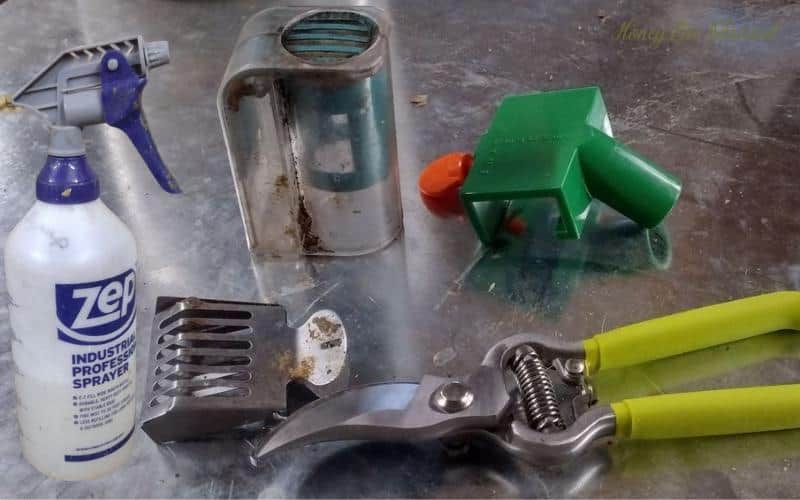
Another item that I always have is my trusty spray bottle of sugar syrup. When I arrive on scene, I will often try to spray the swarm with the sugar syrup to hinder their ability to fly. They’ll have sticky wings, which will hopefully keep them busy licking instead of flying off before I can catch them.
A large canvas drop cloth or tarp will also come in handy so you can shake the bees onto it. This makes queen spotting a lot easier against the backdrop!
You will want a couple of queen clips. Some swarms could have more than one virgin queen in the cluster, so yes, have more than one queen clip just in case. Better yet, have at least six!
A pair of pruners is also a handy item to keep in your bee kit. You never know when you may need to prune a couple of branches to help you access a cluster of bees.
You will also need some drawn comb frames. And keep a few foundationless frames handy.
Reach for the Sky (Honeybee Height)
Swarms are often high up, so a ladder is often a necessity.
You may also want a Swarm Reacher to help with those high-up clusters, or for some hard-to-reach areas.
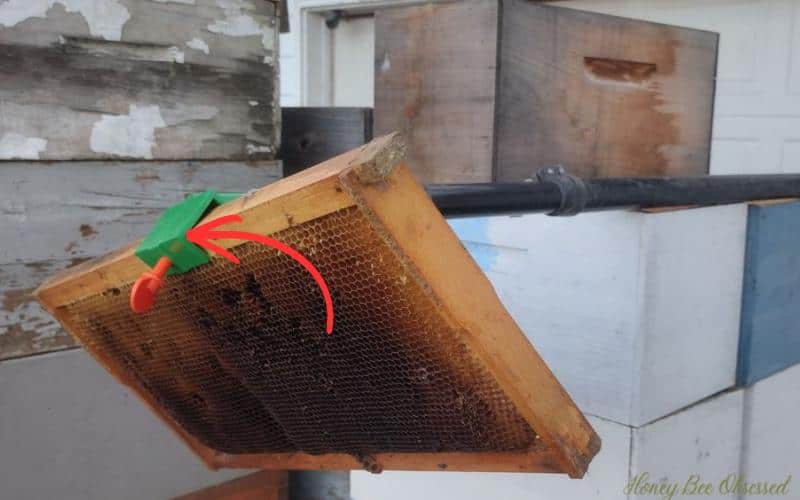
When attached to a painters pole, the Swarm Reacher can hold a drawn comb frame right up to the cluster of bees for them to march onto. After the bees are loaded onto the frame, place the frame into the nuc hive or box and then repeat with another frame.
My preference is for a wire wastebasket attached to an extendable painters pole that goes up to 30 feet. I use zipties or duct tape to attach the wastebasket to the end of the pole so that I can reach up and shake a cluster of bees into the wastebasket.
The pole can get heavy and cumbersome, so don’t get more than you can handle.
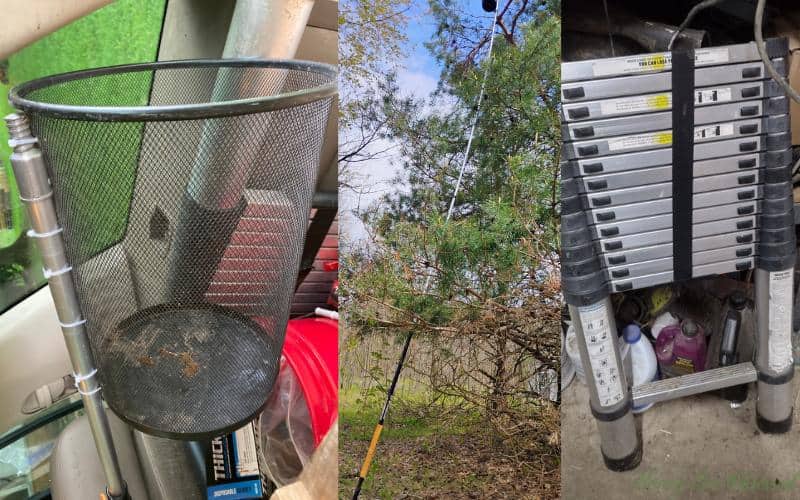
I will have a bucket for all the smaller items plus a hive tool, gloves, and even a couple bottles of water. Have an extra bee veil in the car. Swarm bees are not aggressive because they do not have a home to defend, but it’s always a good idea to have PPE with you.
The BeeMobile
During the swarm season, my daily driver is what the kids call the “beemobile.” It’s always loaded with these Bee Rapid Response Kit items and ready to go at any moment.
The Bee Rapid Response Kit is not expensive, but it makes swarm calls so much easier. Trust me, trying to think of and gather all these items together when you’re in a rush to reach a cluster of bees before they fly off can leave you with less than desirable results. Before I had the “beemobile,” I always forgot something important and would have to make do!
When swarm season hits, you want to be ready to go quickly because you don’t know how long you have before a swarm of bees flies off to move into their new home.
Put out the word, let people know you’re available for swarm catching, and get ready for the calls! Also, build a network with your fellow beekeepers and work together. Beekeepers constantly pass referrals around to help the bees.
Our ultimate goal is to save the bees by helping each other and the public. We know that the chances of these bees finding a good tree hollow where they can survive are low. They could easily end up as unwelcome guests in somebody’s home. We’d rather see these bees find a good home with someone who will help them to thrive.
After you catch the swarm, it’s best practice to leave the box until after dark, and then you can come back and collect the box. This will help to ensure you don’t leave any orphan bees behind. This can be a major pet peeve for people who want you to take the bees away. Sometimes people will see a small cluster of orphan bees and think it’s a swarm!
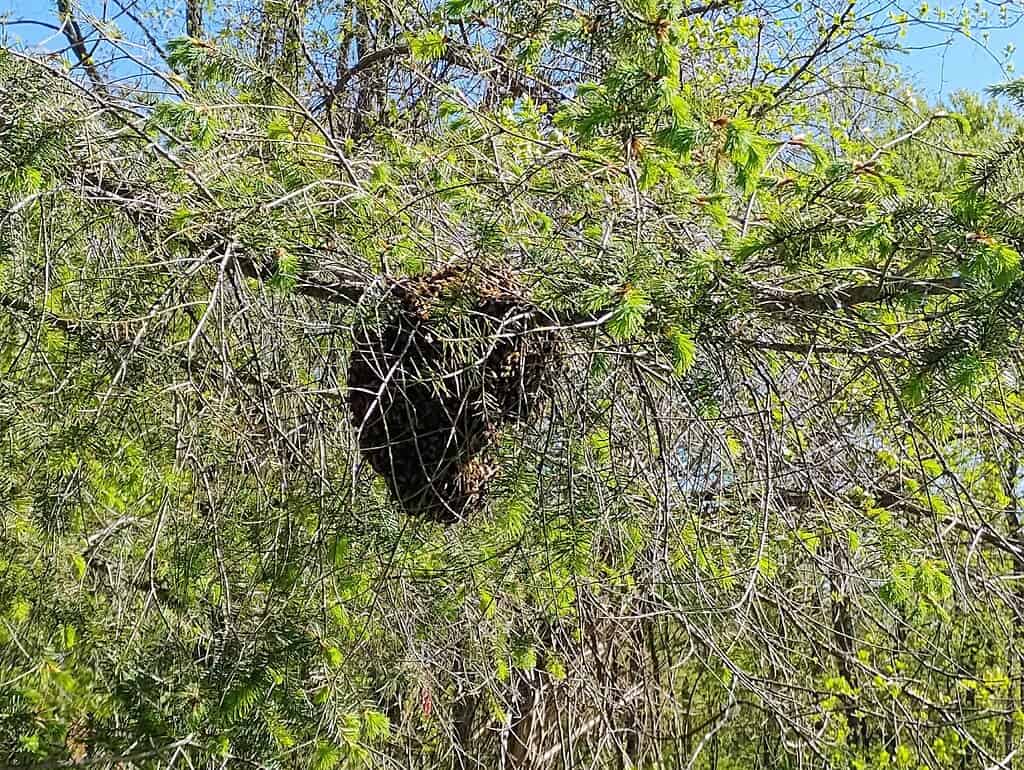
If you’re like me and you see a small, sad group of orphan bees, you can always scoop them up and try to combine them with another swarm. When bees are swarming, they forget who everybody belongs to, which makes it easy for the orphans to join. If you try to just add them into one of your hives, they could be rejected.
Swarm season can be busy, challenging, and exciting. Get ready, have fun, and good luck with catching and saving some bees!
And if you’re hoping to attract a swarm into a swarm trap without physically collecting a cluster of bees, then check out this article here.